Storm damage? We take emergency calls.(804) 489-7990
Maximize tree growth with a comprehensive year-round care calendar. This seasonal checklist is essential for maintaining healthy trees throughout the year.
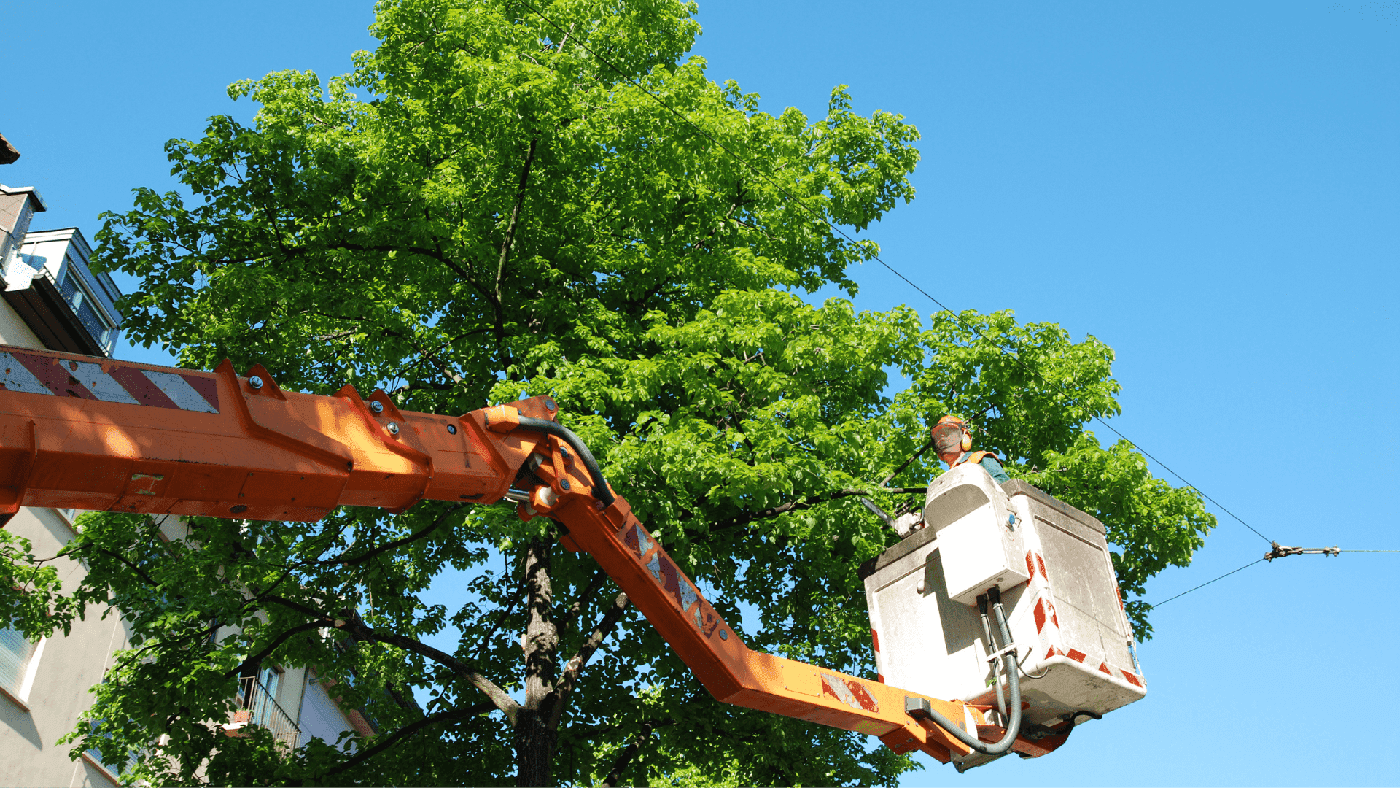
Keeping your trees healthy and safe isn't a once-a-year job, it's a rhythm that follows the seasons. Virginia's climate runs the full spectrum: humid summers, ice storms in January, and springs that arrive fast and wet. Each season creates different demands on your trees, and knowing what to do, and when, is the difference between trees that thrive for decades and ones that become expensive problems.
Virginia trees need season-specific care, and getting the timing wrong can do more harm than no care at all.
Key Takeaways:
Pruning isn't just about aesthetics, it's one of the most important things you can do for a tree's long-term structural integrity. Done right, it reduces the risk of limb failure, improves airflow through the canopy, and removes diseased or dead wood before it becomes a liability. Done wrong, or at the wrong time, it opens the door to disease and stresses the tree unnecessarily.
Late winter to early spring (February–March) is the ideal window for most Virginia trees. The tree is still dormant, wounds close faster once growth resumes, and the pests and pathogens that target fresh cuts are less active. You can also see the branch structure clearly before leaves fill in.
A few species-specific exceptions matter in our region:
Fall pruning is generally discouraged. Fresh cuts stimulate new growth that won't harden off before winter, leaving those shoots vulnerable to freeze damage.
The goal isn't to reduce the tree's size, it's to improve its structure. That means removing dead, dying, or diseased branches; eliminating crossing limbs that create wound points; thinning dense canopy areas for airflow; and correcting co-dominant stems on young trees before they become structural liabilities.
For anything requiring a chainsaw or ladder work above head height, the risk of serious injury is real and the cost of a bad cut can haunt the tree for decades. Conner Tree Service handles residential and commercial pruning across Richmond, Chesterfield, Henrico, Midlothian, and the surrounding counties.
Fertilization supports long-term tree health, but timing and method matter more than most homeowners realize: especially in Virginia, where soil conditions vary significantly across the region.
Virginia's native soils trend toward clay-heavy compositions, particularly in the Richmond metro and Chesterfield and Henrico counties. Clay retains moisture but compacts over time, restricting root access to nutrients even when fertilizer is present at the surface. A basic soil test through Virginia Cooperative Extension, roughly $10–20, tells you what's actually deficient rather than guessing. It can also prevent over-applying nitrogen, which drives excessive top growth at the expense of root development.
The two best windows are early spring (just before bud break) and late fall (after leaf drop but before hard freeze). Spring applications support new growth; fall applications take advantage of continued root activity after the canopy goes dormant, storing nutrients for spring.
Avoid fertilizing in summer. Heat-stressed trees can't efficiently process a nutrient surge, and fast-release formulas during drought can burn root tissue.
Established healthy trees often only need fertilization every two to three years. If a tree is showing stress symptoms (yellowing leaves, sparse canopy, early leaf drop) fertilizer may not be the answer. Those same symptoms can signal root damage, compaction, or disease. Applying fertilizer to an underlying problem can make things worse. Conner Tree Service can assess tree health and help identify what's actually going on.
Most established trees in Virginia don't need supplemental irrigation. But newly planted trees and trees under stress are another story, and Central Virginia's July and August drought periods can push even healthy trees to their limits.
The first two years are critical. Water deeply two to three times per week in the first growing season, tapering to once a week in the second. "Deeply" means getting moisture 12–18 inches into the soil: a slow trickle at the base for 30–45 minutes, or a soaker hose around the drip line, accomplishes this better than overhead sprinklers.
A 3–4 inch layer of organic mulch around the base, kept a few inches from the trunk, does more for soil moisture retention than almost anything else. It also moderates soil temperature and improves soil structure as it breaks down. Start there before worrying about irrigation schedules.
Virginia's humid summers create favorable conditions for several tree diseases. Most prevention comes down to good cultural practices: proper pruning timing, adequate airflow, and avoiding wounds during high-risk periods.
Oak Wilt is the most serious tree disease in our region. It spreads two ways: through root grafts between nearby oaks, and through sap-feeding beetles carrying spores to fresh wounds. Red oaks can die within weeks of infection. The key prevention measure is simple: don't prune oaks between April and July. If you notice wilting and browning starting at the branch tips and progressing inward on an oak in spring or early summer, contact a certified arborist immediately, oak wilt moves fast and can spread to neighboring trees through root connections.
Dogwood Anthracnose affects Virginia's native flowering dogwoods, causing tan spots with purple margins on leaves and, over time, crown dieback. It thrives in cool, wet springs and shaded sites with poor airflow. Improving air circulation through selective pruning and raking fallen leaves are the primary management tools.
Powdery Mildew shows up as a white coating on leaves and young shoots in late spring and summer, particularly on stressed trees. It's more aesthetic problem than killer, but repeated infections weaken trees over time. Good airflow and avoiding excess nitrogen fertilization reduce severity.
Many disease symptoms are easy to misread: leaf scorch from drought looks similar to fungal blight, and early oak wilt can be confused with normal summer stress. If you're seeing unusual dieback or decline and aren't sure what's causing it, a professional assessment is worth the call before the problem spreads.
Central Virginia gets its share of weather events: summer thunderstorms, nor'easters, and ice storms that load branches beyond what even healthy trees can handle. Having a plan before a storm hits is far better than scrambling after one.
The best storm preparation is good ongoing maintenance. Specifically: remove dead branches before storm season (these are the first things that fall), address co-dominant stems on large trees before they become splitting points under load, and have large trees near your home or power lines assessed periodically. Know which trees on your property are candidates for removal. A dead or structurally compromised tree is a liability waiting for a wind event.
Safety before anything else. Don't approach a downed tree until you've confirmed there are no downed power lines nearby. If a tree has contacted a utility line, call your utility company first, not a tree service.
Once the area is clear: assess from a distance for hanging limbs still in the canopy before walking underneath; document damage with photos for insurance before cleanup begins; handle small debris yourself; call a professional for anything involving a chainsaw, a tree over a structure, or a root ball that's shifted.
Conner Tree Service provides emergency storm damage response across the Richmond metro, Chesterfield, Henrico, Midlothian, Mechanicsville, Ashland, and surrounding areas, with work prioritized by hazard level.
After a tree comes down, the stump is often left as an afterthought. It shouldn't be. Stumps left in place sprout aggressive regrowth from the root system, attract wood-boring insects that can spread to healthy nearby trees, create trip hazards, and prevent you from using that area of yard. Stump grinding takes it below grade, eliminates resprouting, and leaves the site ready for lawn restoration or replanting. It's worth doing while the crew is already on site.
A tree has likely crossed from "needs pruning" to "needs removal" when it shows structural compromise that can't be corrected: a large cavity at the base, significant root damage, a trunk leaning from its original position, or more than 50% of the canopy dead or dying. When in doubt, have a certified arborist assess it. The cost of an assessment is far less than emergency removal after a failure.
A healthy tree has a full seasonal canopy, vigorous new growth each spring, intact bark without large peeling sections, and no significant fungal growth at the base or major branch unions. Healthy trees are also generally free of carpenter ants, their presence is often a secondary sign of internal decay.
Call a certified arborist immediately and do not prune, wound, or disturb the tree before getting an assessment. Oak wilt spreads through root grafts to neighboring oaks, and improper handling can accelerate that spread. Red oaks rarely survive once symptomatic; white oaks can sometimes be treated with fungicide injection if caught early.
A few species generate a disproportionate number of service calls. Bradford pears are structurally weak: their branch angles create natural splitting points that fail under ice or wind, often at 15–20 years old. Silver maples grow fast but develop aggressive surface roots that damage hardscape and foundations. Virginia Cooperative Extension maintains a list of recommended native species that perform well in our climate with far fewer long-term issues.
Most residential stumps take 30 minutes to an hour depending on diameter and root flare. The grinder takes the stump 6–12 inches below grade, leaving wood chips in the hole. Those grindings can be raked back as fill and break down over time, or removed if you're replanting or laying sod immediately.
Handle it yourself: raking and mulching, watering newly planted trees, pruning shrubs and small ornamentals under 10 feet, removing small fallen branches after storms.
Call a professional: anything involving a chainsaw above waist height, work near a structure or power line, tree removal, stump grinding, large limb removal, and any situation where a tree's structural integrity is in question.
Healthy trees don't happen by accident: they're the result of consistent, seasonally appropriate care. In Central Virginia's climate, that means pruning at the right time of year, understanding your soil before fertilizing, watering deeply rather than frequently, staying ahead of regional disease pressures like oak wilt, and having a plan when storms roll through.
For tree work beyond basic maintenance, Conner Tree Service has been serving homeowners and commercial properties across Richmond and surrounding counties since 2001, doing the work right and treating people the way we'd want to be treated.
Call us at (804) 489-7990 or visit connertreeservice.com to schedule a consultation.
Serving Quinton, Richmond, Chesterfield, Henrico, Midlothian, Glen Allen, Mechanicsville, Ashland, New Kent, Powhatan, Tuckahoe, James City, Williamsburg, Hanover, and Chester, Virginia.
Free estimates, no obligation, and a straight answer about what the job actually needs.
