Storm damage? We take emergency calls.(804) 489-7990
Choosing the right season to remove a tree protects your yard, reduces risk, and can lower costs. Seasons affect tree physiology, ground conditions, and equipment access. This guide explains why…
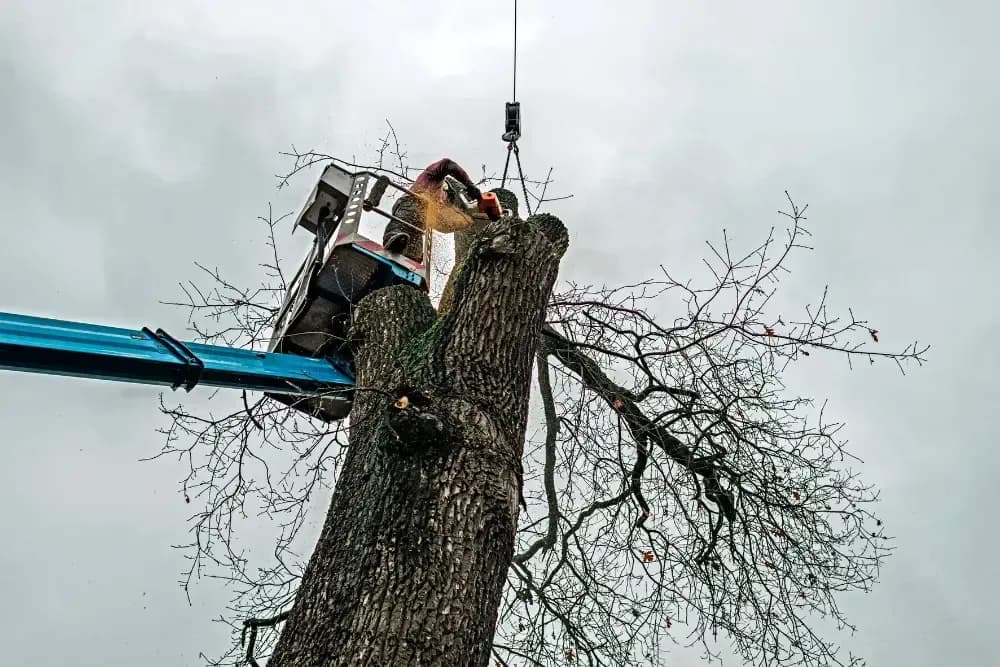
Choosing the right season to remove a tree protects your yard, reduces risk, and can lower costs. Seasons affect tree physiology, ground conditions, and equipment access. This guide explains why timing matters, the benefits of winter removals near Richmond, VA, and how to schedule safe, cost-effective work.
Seasonal timing impacts tree biology, site conditions, and safety. Dormancy, firmer ground, and lower demand in late fall and winter often make removals easier, safer, and more cost-effective.
Trees change with seasons; dormancy reduces sap flow and growth, lessening physiological stress from cuts. Understanding these cycles helps choose the best removal window.
Off-peak months like winter often mean lower prices and firmer ground, reducing mud and equipment wear. This improves safety and can lower costs.
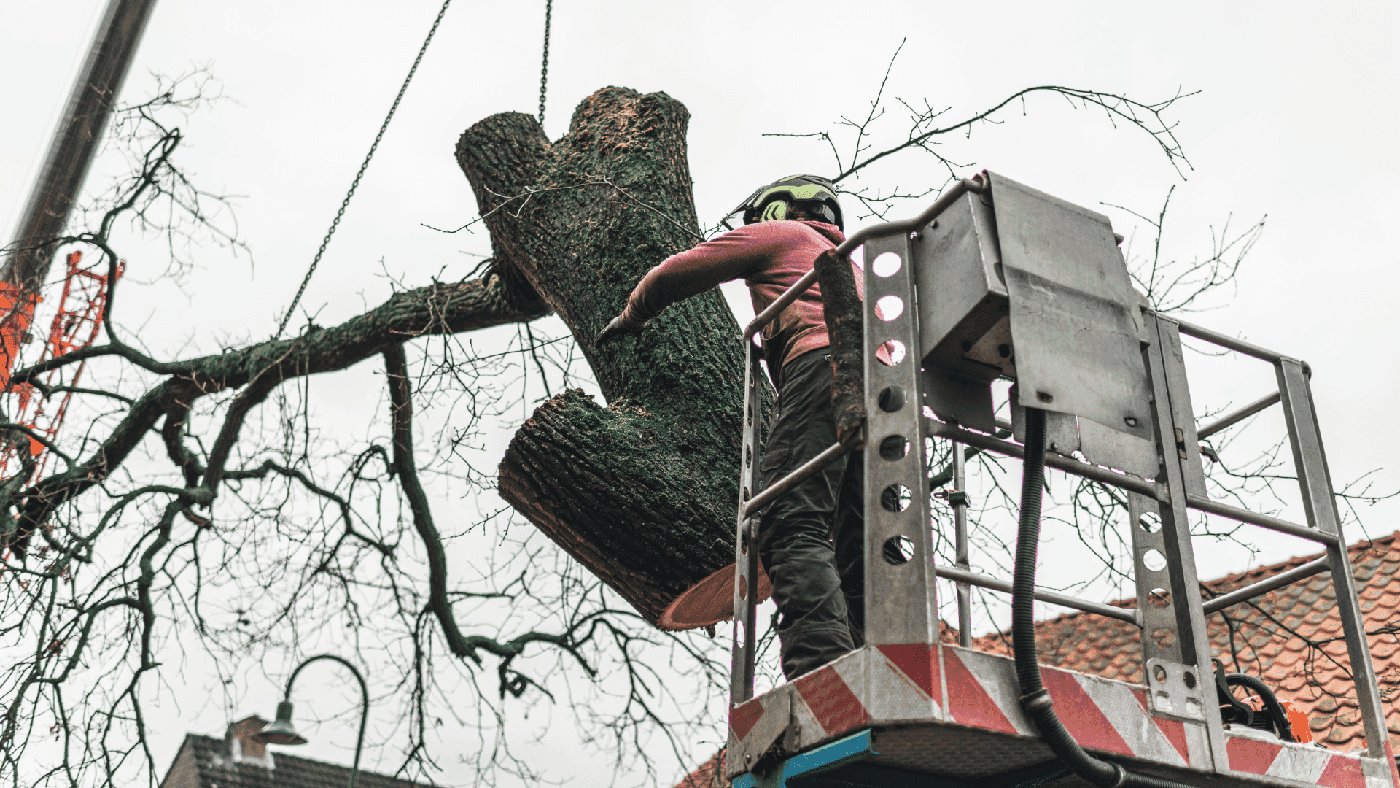
Winter removals offer practical advantages in and around Richmond, helping homeowners decide on optimal timing.
Dormant trees have reduced sap flow and metabolic rates, making wounds less likely to invite disease. Removing problem trees in dormancy helps protect the remaining landscape.
Frozen or compacted soil reduces rutting and disturbance from heavy equipment, protecting roots, lawns, and plantings, and often means less post-job repair.
Some seasons increase the risk to trees and the site. Delaying removal can prevent extra damage or higher costs.
Summer brings active growth, heat stress, and pests, complicating removals and potentially increasing costs due to safety concerns.
Rising sap and renewed growth in spring can cause heavy bleeding and slow recovery, making spring less favorable for non-urgent removals.
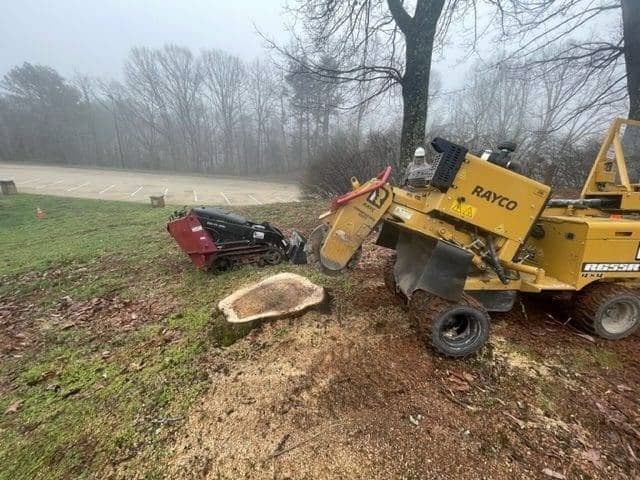
Combine seasonal knowledge with on-site risk assessment. Practical steps and professional advice ensure safe, cost-effective results.
Spot problems early to protect people and property:
Early detection allows planning a safe removal before the tree becomes an immediate hazard.
Certified arborists evaluate species, health, and site conditions to recommend optimal timing and approach, protecting nearby trees and structures.
Understanding seasonal influences helps homeowners make informed decisions. Contact a professional service for guidance and tailored removals.
Consider the tree’s health, location, and nearby hazards. Timing (dormant season is often preferable) and immediate safety risk are key. A certified arborist can advise.
Clear cars, toys, and furniture from the work area, ensuring access for equipment. Inform neighbors if shared spaces are affected and discuss concerns with the crew.
Removal alters habitat, light, and soil. Consider replanting or protecting nearby vegetation to offset impacts; your arborist can recommend steps.
Hire a reputable, insured crew with certified arborists. They will set safety perimeters, use proper gear, and follow protocols. Keep bystanders back.
Look for persistent dieback, large cavities, major structural cracks, severe pest damage, or a dangerous lean. Have an arborist inspect if unsure.
Small, simple removals may be handled by experienced homeowners. Most trees, especially large ones or those near structures, require professionals with training, safety equipment, and insurance.
Timing matters: dormant-season removals reduce stress, limit landscape damage, and often save money. Consult a certified arborist and work with an experienced crew for a smooth, safe removal. Contact a trusted local tree service to plan your approach.
Free estimates, no obligation, and a straight answer about what the job actually needs.
