Storm damage? We take emergency calls.(804) 489-7990
Assessing a tree’s health involves a visual and risk check to determine if trimming or removal is needed to protect people and property. This guide covers inspection steps, warning signs, and a…
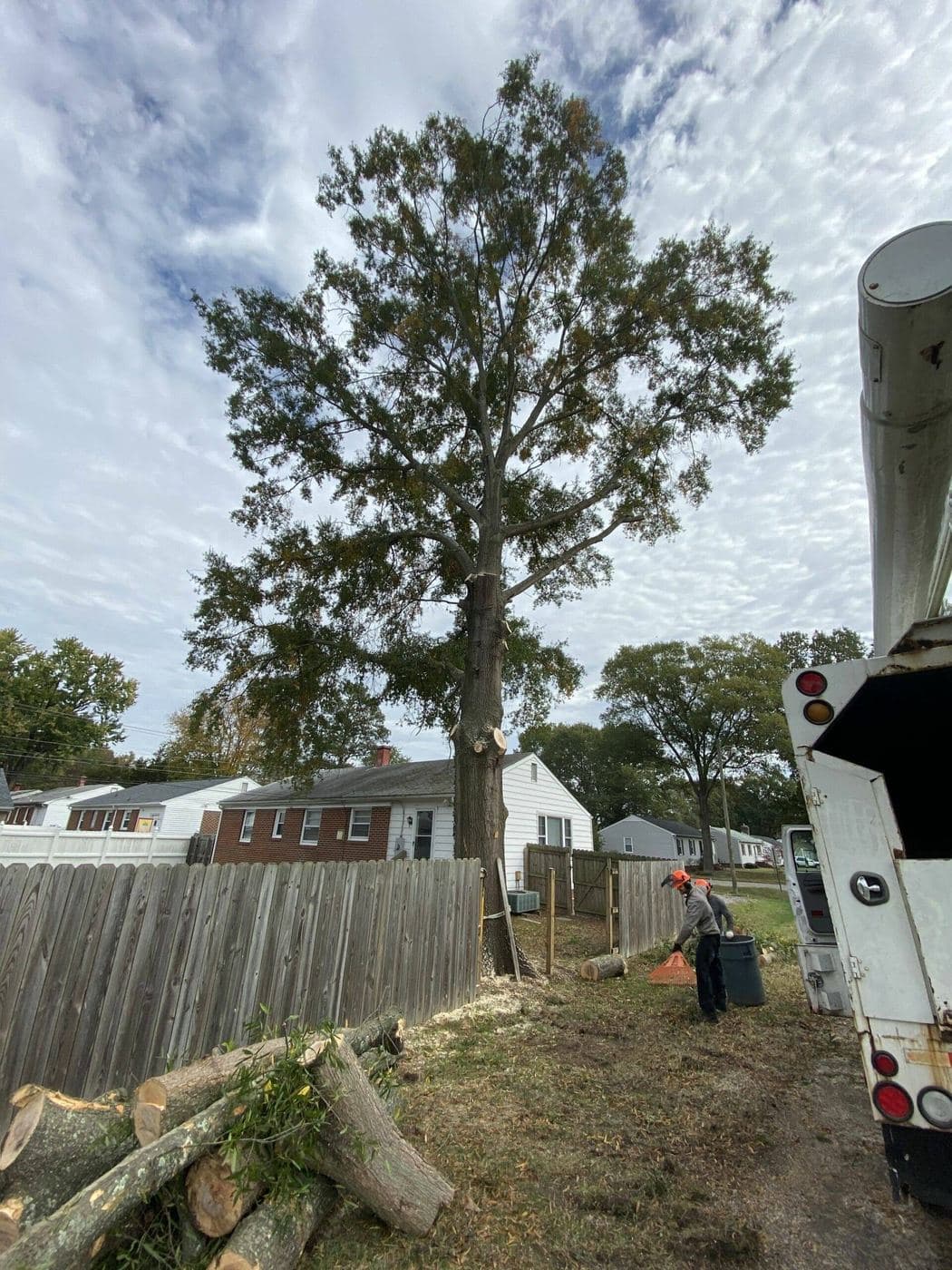
Assessing a tree’s health involves a visual and risk check to determine if trimming or removal is needed to protect people and property. This guide covers inspection steps, warning signs, and a simple decision framework to help you make informed maintenance decisions before calling a professional. We focus on observable evidence like canopy, trunk, and root-collar health.
Understanding "tree risk evaluation" and when a tree is hazardous helps you make safer choices about care.
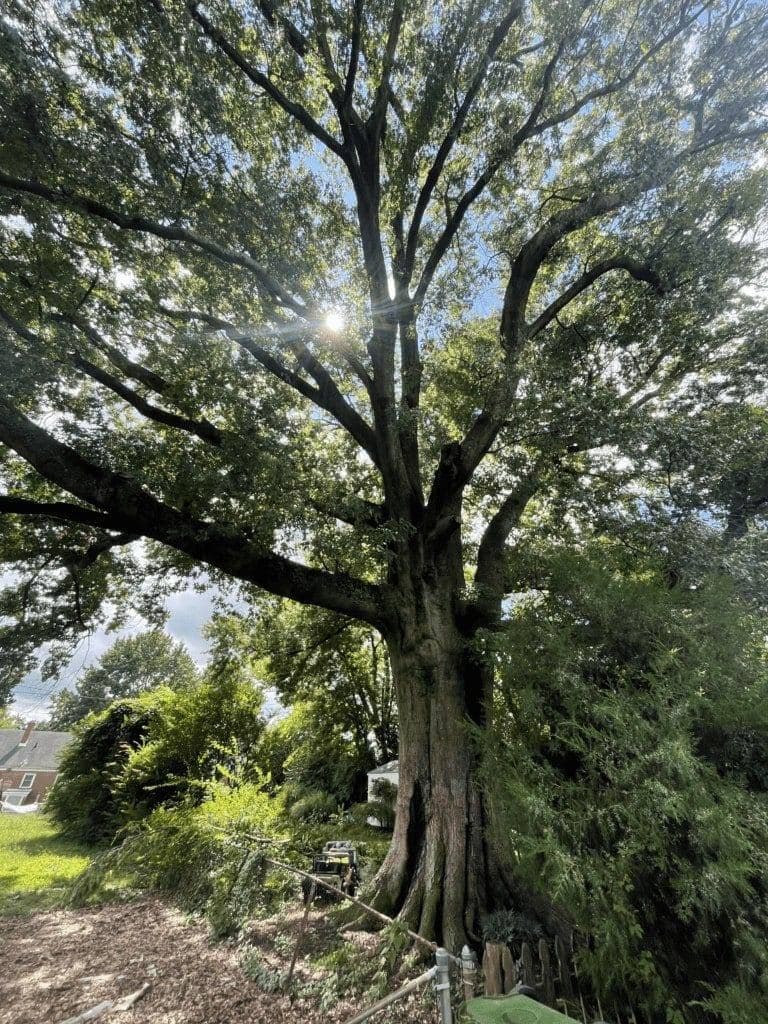
Unhealthy trees show clear signs in their canopy, trunk, or roots, often from disease, insects, stress, or structural defects. Early detection focuses on leaves and obvious structural issues.
This quick checklist highlights diagnostic signs for inspection:
Trim when selective work can restore health, lower failure risk, or clear obstacles without removing the whole tree. Proper pruning removes small deadwood, increases airflow, and addresses rubbing or codominant stems, helping long-term vigor and preventing costly removals.
Common reasons to choose trimming:
Removal becomes necessary when structural failure or advanced disease makes a tree an immediate hazard. This includes trunk decay affecting more than half the cross-section, active root-plate failure, large cavities compromising stability, and severe lean with ongoing soil movement. Trees close to high-use areas, utilities, or homes raise the urgency.
Decisions should weigh tree health, safety risk, recovery prospects, and practical factors like cost and site constraints. Prioritize safety, then consider species resilience, landscape value, and likelihood of meaningful recovery.
Key factors for property owners include immediate safety risk, the tree’s species and resilience, its value, cost of repairs versus removal, and local rules. Safety always comes first.
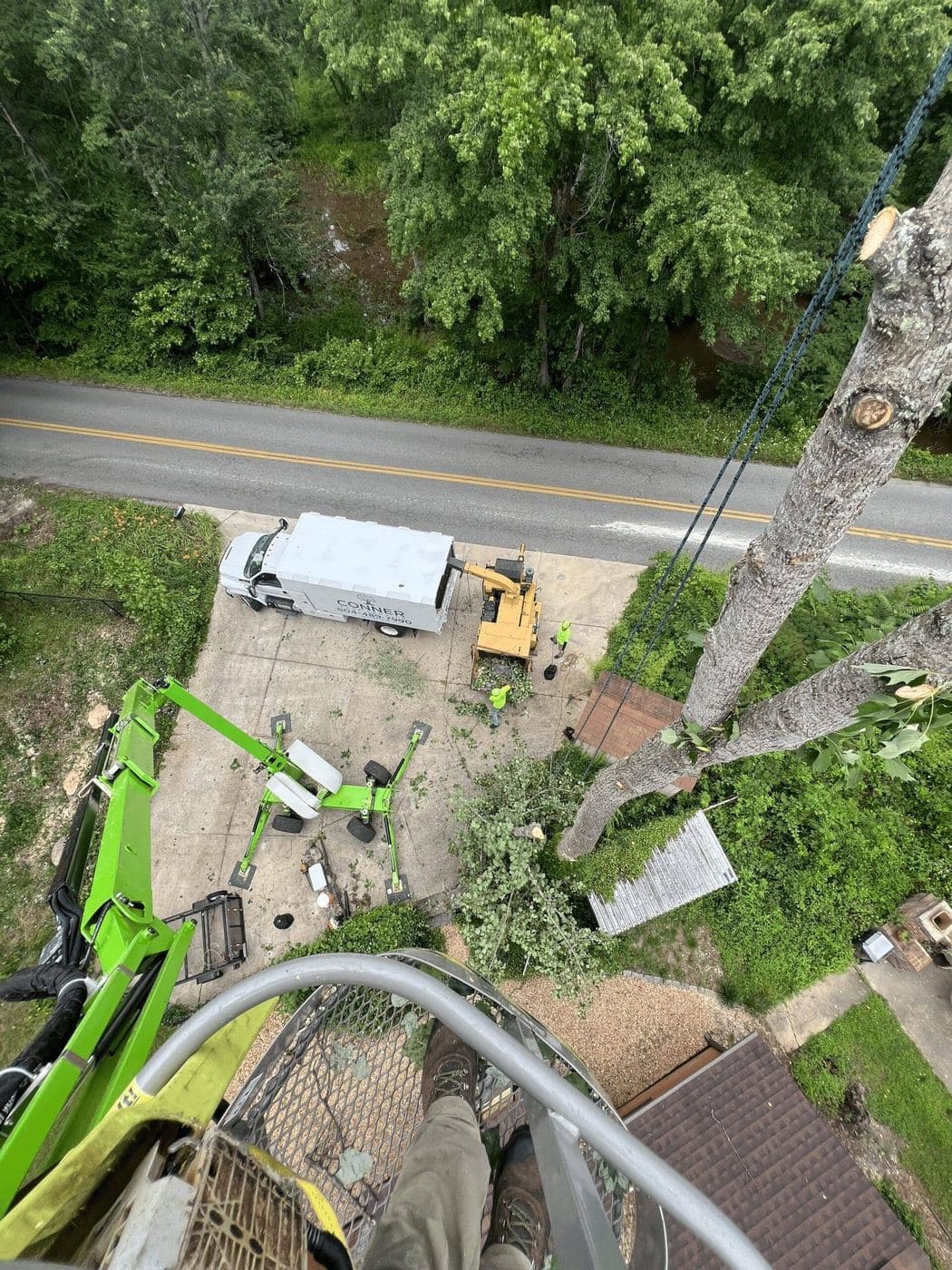
Call a certified arborist for complex issues, large trees, storm damage, or any tree near power lines and structures. For homeowners around Richmond, Conner Tree Service offers free estimates and full-service tree work. Get an expert report when the problem is more than a simple homeowner fix.
Prioritize safety, record observations, and bring in professional expertise when structural defects, decay, or proximity to people make the outcome uncertain. Conner Tree Service can provide local inspections and free estimates.
Hand pruners for small branches, a tape measure, and a notebook or smartphone are useful. If you suspect serious structural problems, call a professional.
Check your trees at least once a year, ideally during the growing season, and again after severe weather. Assess immediately if you notice sudden changes.
Homeowners can do light pruning on small, low branches. For large limbs, high work, codominant stems, or anything near structures or power lines, hire a professional arborist.
Removal costs vary by tree size, condition, and location. Always get multiple quotes and factor in stump grinding and cleanup.
Plant suitable species, keep trees watered and mulched, avoid root-zone damage, and perform regular inspections. Good pruning and site care reduce disease and pest pressure.
Check for root-plate uplift, soil cracks, or decay. If the lean is recent, worsening, or accompanied by trunk cracks, call a certified arborist right away. Keep people and vehicles away from the canopy.
Regularly checking your trees keeps your property safer and preserves landscape value. By spotting key symptoms and knowing when to trim or remove, you can act with confidence. When in doubt, consult a certified arborist for a professional assessment. Contact Conner Tree Service for local inspections and free estimates.
Free estimates, no obligation, and a straight answer about what the job actually needs.
