Storm damage? We take emergency calls.(804) 489-7990
Tree removal often comes with extra charges that surprise homeowners. Knowing the common add-ons and what drives price changes helps you budget smarter and avoid sticker shock. This guide breaks down…
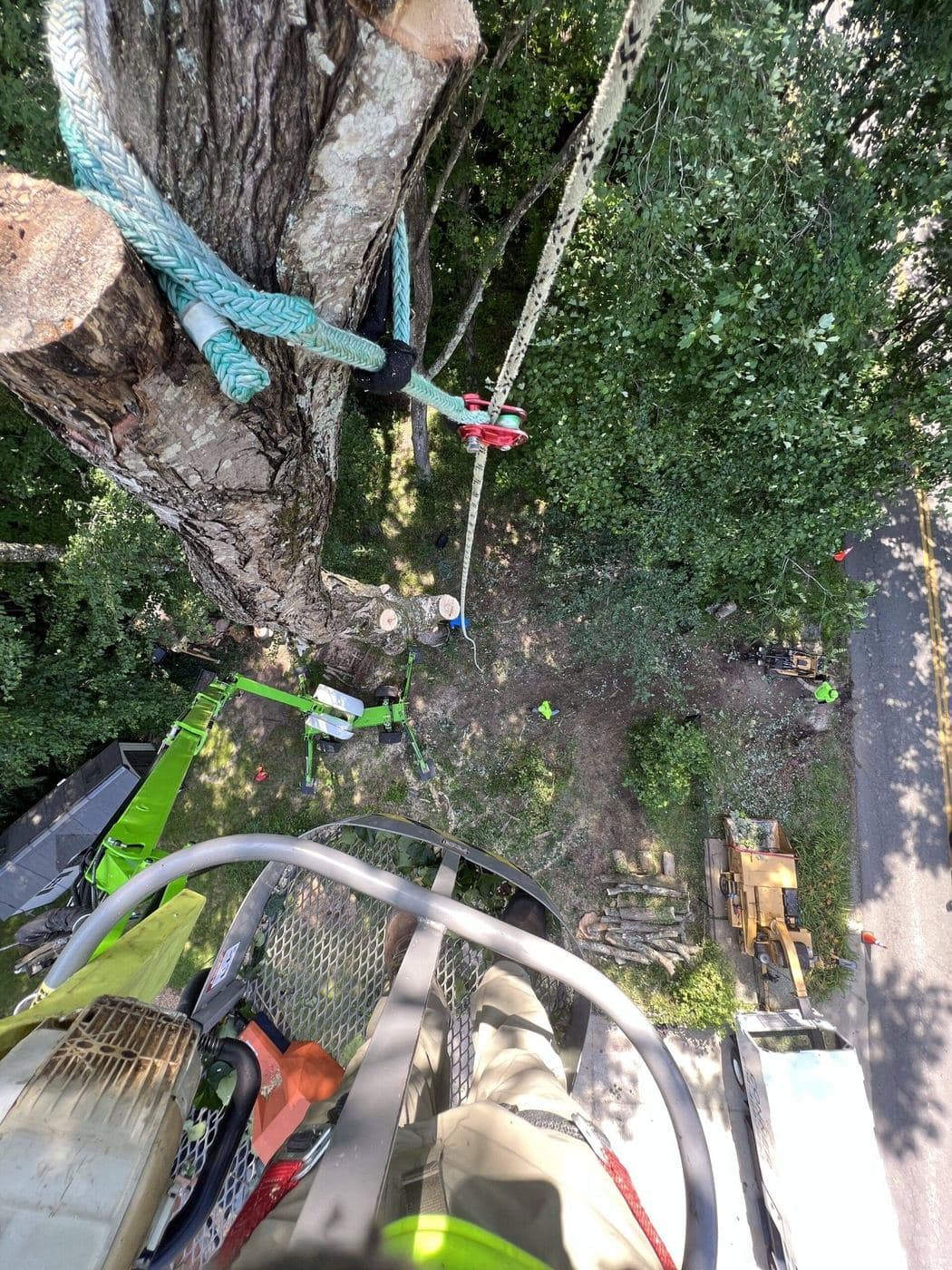
Tree removal often comes with extra charges that surprise homeowners. Knowing the common add-ons and what drives price changes helps you budget smarter and avoid sticker shock. This guide breaks down the key cost factors, common hidden fees, and how rules in your area can affect the final bill, so you can make clear decisions about tree care.
We’ll walk through the main drivers of removal costs, point out fees people frequently miss, explain permit and regulation impacts, and outline added charges tied to emergency services.
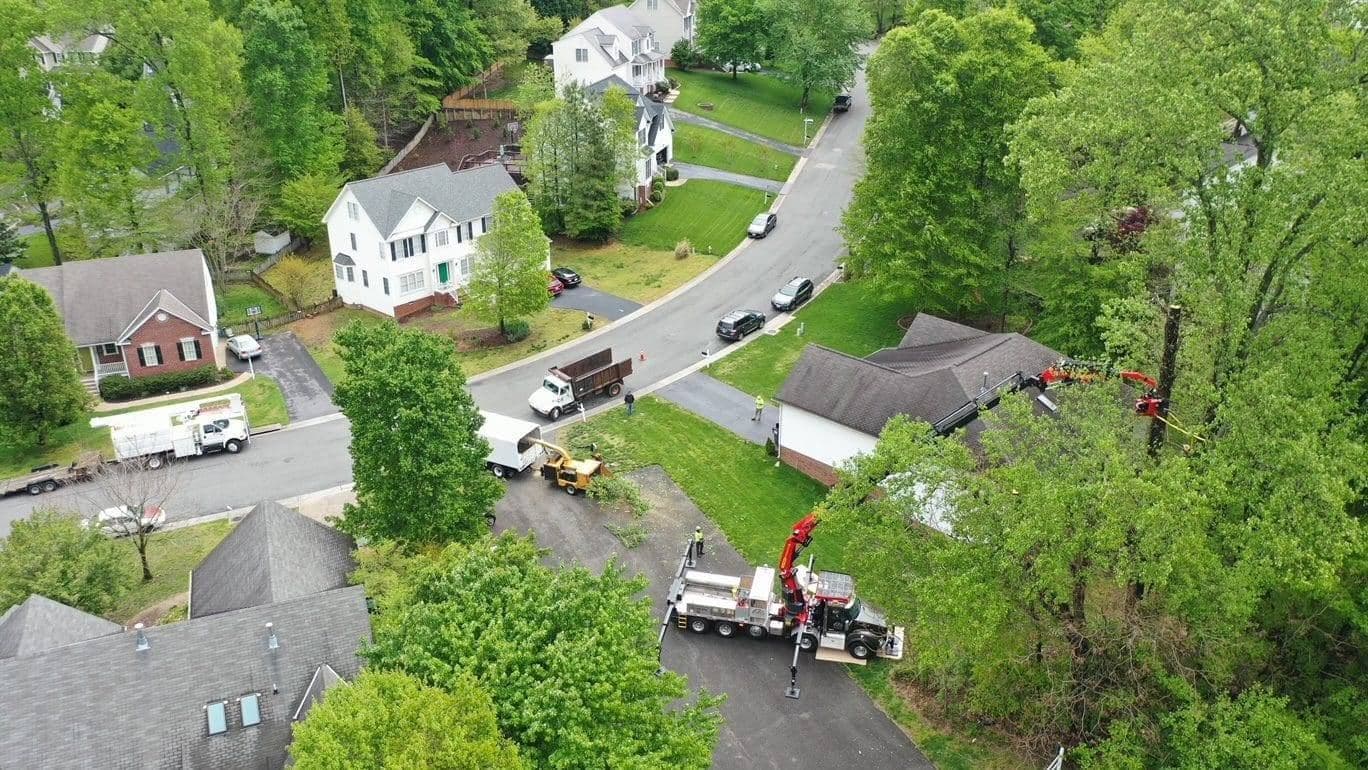
A few predictable things determine most tree removal quotes: the tree’s size and species, where it sits on the property, and how easy it is for crews and equipment to get to it. Understanding these will help you compare estimates and ask the right questions.
Bigger trees usually mean more labor and bigger equipment, so costs go up with size. To give a sense of scale, a small tree often runs about $150 to $500 to remove, while a large oak can top $1,000 to $2,000. Certain species can also raise the price if their wood is dense or their structure makes removal more complex.
Where a tree stands affects the time and tools needed to remove it. Trees tucked behind a house, on steep slopes, or close to buildings and power lines require extra care and may add to labor and equipment costs. Limited access or nearby hazards typically increase a quote compared with an open-lawn removal.
Beyond the base removal fee, several add-ons often appear on invoices. Typical extras include stump grinding, debris hauling, and premium charges for emergency or after-hours work. Ask your arborist up front what’s included so there are no surprises.
Stump grinding is frequently billed separately. You can expect roughly $60 to $400 per stump, depending on diameter and difficulty. If you have multiple stumps, many companies offer a per-stump discount, so it can be cheaper to remove several at once than to do them one at a time.
Cleanup and hauling often add to the total. Many crews charge by volume or by load; typical debris-removal costs range from $75 to $200 per load. Large trees or heavy brush can generate multiple loads, so clarify debris and chip removal policies when you get a quote.
This quick table highlights common extras so you know which line items to watch for on an estimate.
Local rules and permit requirements can add time and expense. In many cities, including Richmond, VA, removing certain trees triggers a permit process, inspections, or mitigation requirements that affect the overall price and schedule.
Permits are usually required for larger or protected trees. In Richmond, VA, a tree removal permit is commonly needed for trees with a diameter of 12 inches or more measured at 4.5 feet above the ground. Permit fees typically fall in the $25 to $100 range. Always confirm with city offices before you start work.
Local regulations can add steps like site inspections, replacement tree requirements, or specific disposal methods. Ignoring those rules can lead to fines or delays, so factor permitting and compliance into your timeline and budget.
Emergency tree removal usually costs more because it requires immediate attention and extra resources. If a tree is a safety risk after a storm or failure, expect higher rates than scheduled work.
Emergency jobs often happen outside normal hours and require crews to respond quickly. That urgency, combined with potentially hazardous conditions, tends to raise labor and equipment costs compared with routine removals.
Storm-damaged trees can be unpredictable and may need special equipment or additional safety measures to remove safely. That complexity, plus extra cleanup for debris and possible property repairs, can increase the final bill.
Bottom line: knowing the common cost drivers, such as size and species, access, hidden fees, permits, and emergency needs, helps you avoid surprises and make better choices when hiring a tree service.
Choose a company with a solid track record, proper insurance, and clear licensing. Read reviews, ask for references, and confirm their safety practices and equipment. A good provider will give a written estimate and explain what’s included.
Clear obstacles near the work area, such as patio furniture, vehicles, and toys, and let neighbors know if the work might affect them. Keep pets and children indoors during removal. Ask your crew if they need any specific prep based on the tree’s location.
Yes. Check whether the tree is protected or provides critical wildlife habitat. When possible, consider alternatives like pruning or relocation. Talk with an arborist or local agency if you’re unsure about ecological impacts.
Professionals bring training, safety protocols, and the right gear to protect your property and the crew. They also handle debris disposal and can advise on follow-up work like stump grinding or replanting.
Contact your local government or planning department to check protections and permitting rules. Local arborists and environmental groups can also help identify protected species or regulations to watch for.
If extra charges appear, ask the crew to explain the reason and provide a detailed breakdown. If you’re unsure, request a revised written estimate or get a second quote. Make sure any scope changes are agreed to in writing before work continues.
Being clear about the factors that drive tree removal costs helps you plan and avoid surprises. Understand potential extras, such as stump work, cleanup, permits, and emergency fees, and ask your contractor for a full estimate. When in doubt, consult a local professional for a site-specific quote and next steps.
Free estimates, no obligation, and a straight answer about what the job actually needs.
